
Variant A
LiveOrder confirmed → offer add-on
+6.2%avg ticket
Your voice AI talks to customers all day. BotBot lets you change how it talks, test that change on real conversations, and see what it did to your numbers. No engineering ticket.
Built for the calls that carry revenue: Ordering, booking, scheduling, upsell, service recovery
Experiment · day 12
Order confirmed → offer add-on
+6.2%avg ticket
Mid-order → offer add-on
+11sslower

The greeting. How fast it talks. When it offers something extra. What it says when an order goes wrong. Someone picked all of that in a doc months ago, and it has run that way on every conversation since.
Nobody knows whether it was right. And changing it means filing a ticket and waiting a month, so nobody finds out.
We have watched a single behavior change move ticket size and satisfaction at the same time. We have also watched changes do nothing at all. The only way to tell them apart is to run it and look.
Meanwhile the questions keep piling up:
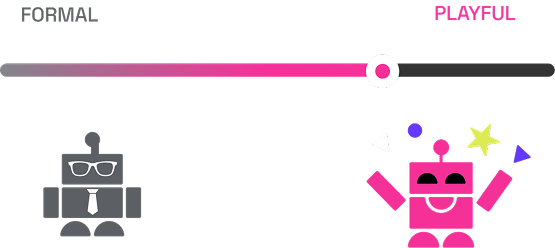
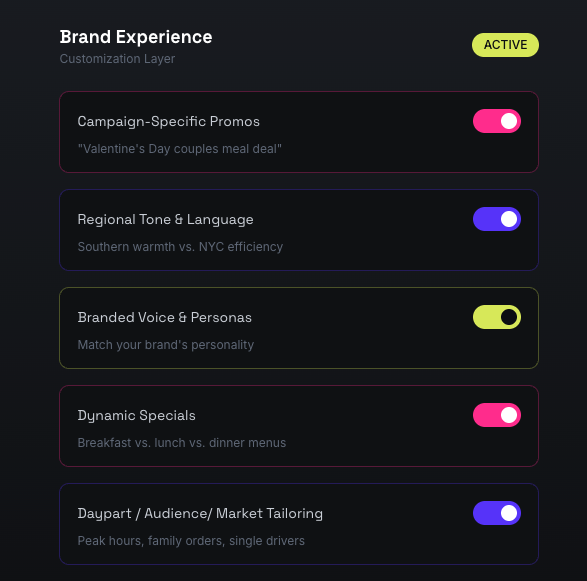
Tone, pacing, persona, promos, how it handles a rush versus a quiet afternoon. You describe what you want in normal words and switch it on.
Your engineers keep the flow in code through the SDK. Everybody else works in the UI. Nothing gets redeployed.
Avg order value · 11am–2pm · 42 stores
Classic Casey · control
What works at Burger Stop — learned from 12 experiments
Run two versions against live traffic and BotBot pulls in what actually happened. Order value, booking completion, handle time, whichever number you told it to care about. Location by location and hour by hour if that is how you operate.
Do that for a few months and you end up with something useful: a record of what works on your customers. Not on customers in general. Yours.
Both setups work, and the part we handle is the same either way.
BotBot plugs into it. Your model, your voice provider, your runtime all stay where they are. Three lines to integrate on Pipecat, Deepgram, ElevenLabs, or OpenAI.
We can supply the agent as well, already wired up for testing and measurement from the first call it takes.
What we own is the piece nobody owns today, which is working out what good behavior looks like for your brand and then proving it. An analytics tool tells you what happened last week. This tells you what to try next.
In a 15-minute walkthrough, we'll show you:
No pitch deck. Just the product.